
How can healthcare organizations use AI while protecting patients, maintaining trust, and managing legal responsibility?
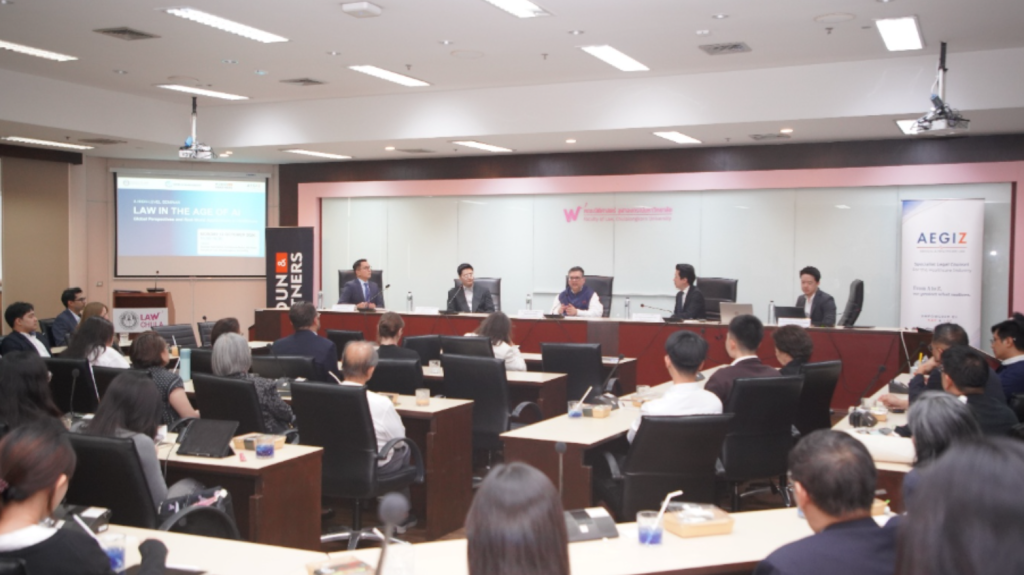
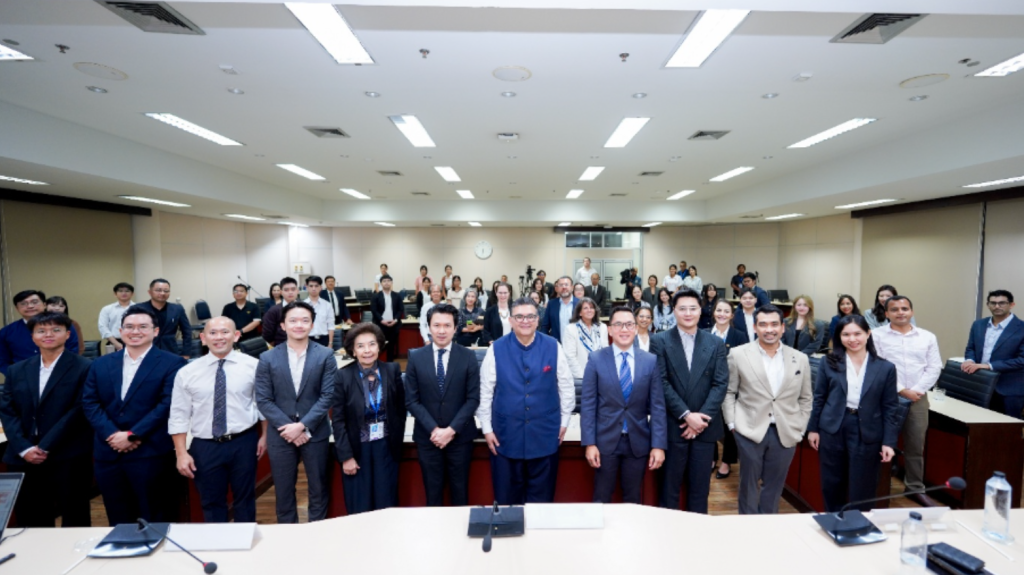
These questions formed the focus of “Law in the Age of AI: Global Perspectives and Real-World Applications in Healthcare,” held on 12 October 2026 at the Faculty of Law, Chulalongkorn University.
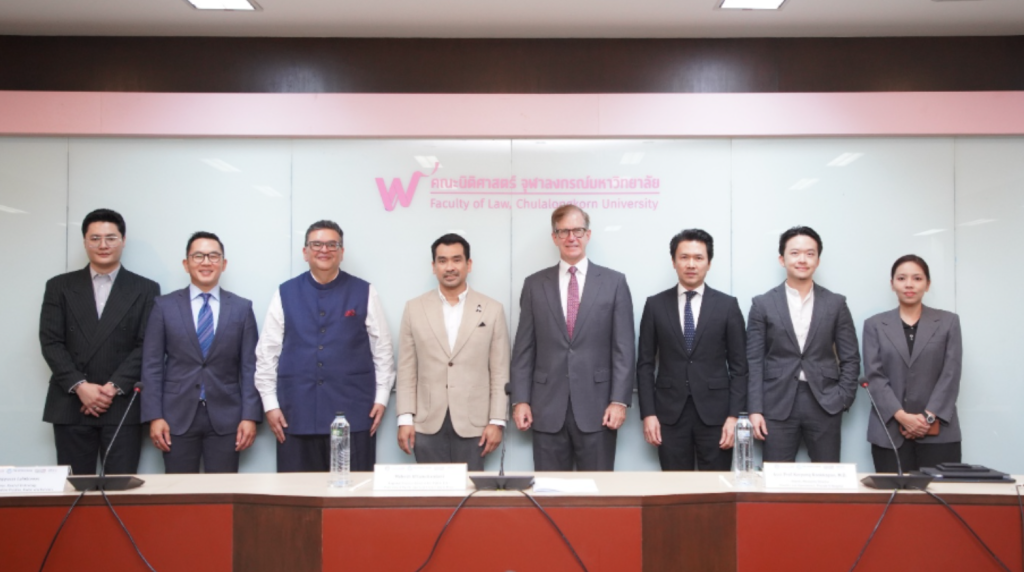
AEGIZ Healthcare Law collaborated with the Faculty of Law, Chulalongkorn University, the World Bank Group, and Kudun and Partners on the seminar, which connected global legal perspectives with practical issues arising from AI adoption in healthcare.
Welcome Remarks and International Keynote
The programme featured welcome remarks by Assoc. Prof. Dr. Suphasit Taweejamsup, Dean of the Faculty of Law, Chulalongkorn University.
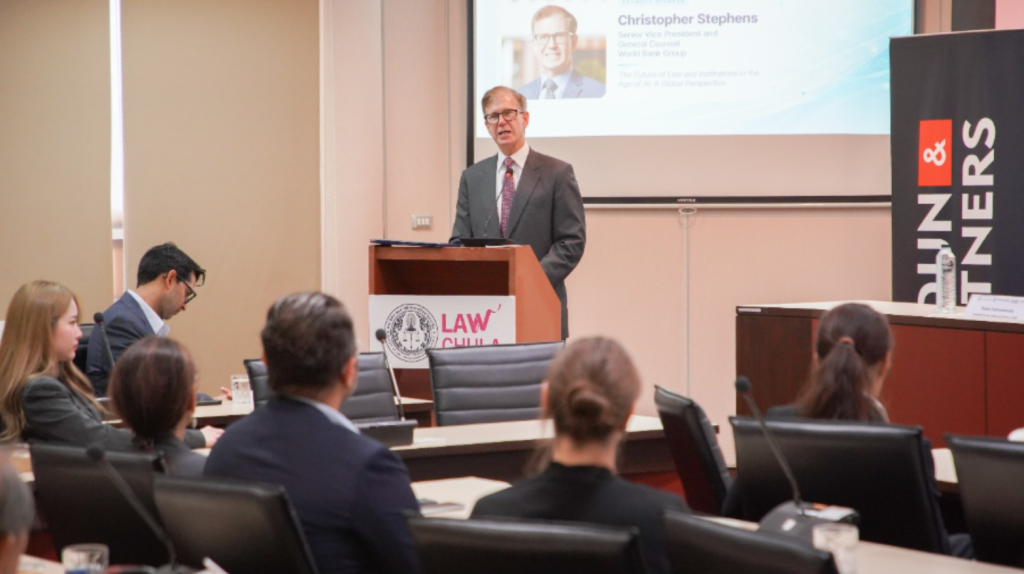
Christopher Stephens, Senior Vice President and General Counsel, World Bank Group, delivered the keynote address, “The Future of Law and Institutions in the Age of AI: A Global Perspective.” Its focus provided an international context for considering how legal systems and institutions can support innovation, trust, and accountability.
Bringing Healthcare, Governance, and Legal Perspectives Together
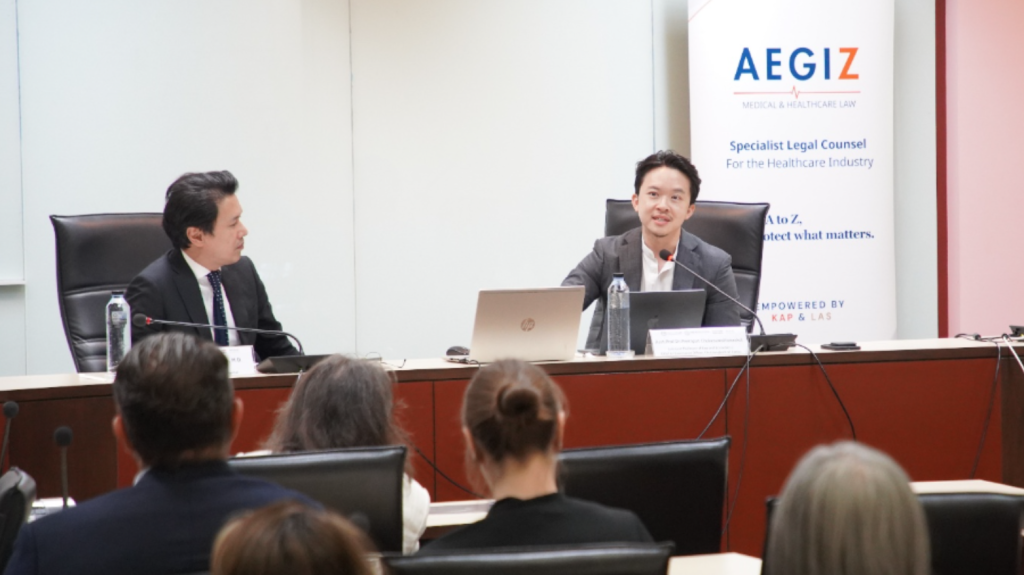
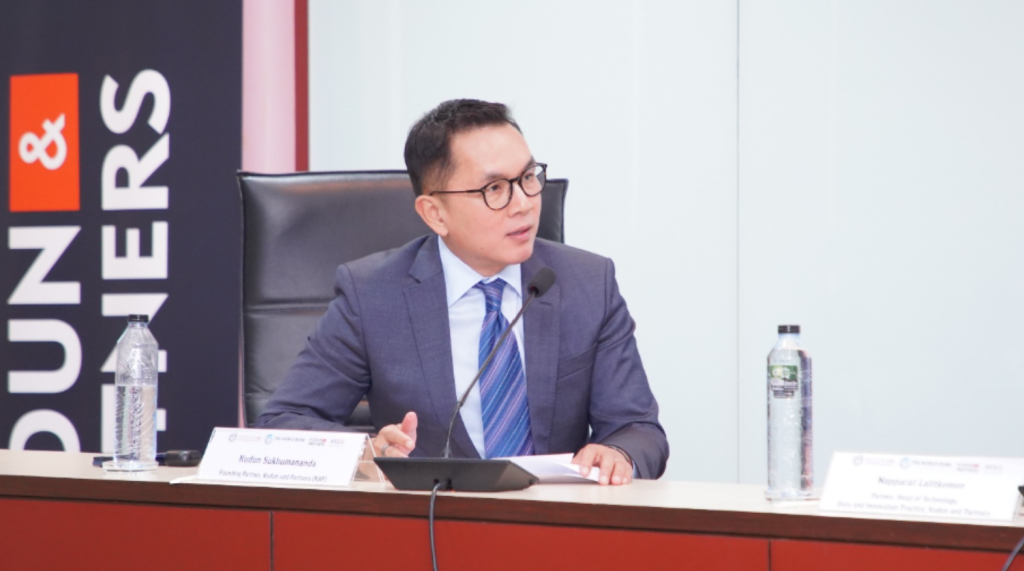
The panel discussion, “From Principles to Practice: AI in Healthcare,” was moderated by Kudun Sukhumananda, Founding Partner, Kudun and Partners.
The panel featured:
- Mahesh Uttamchandani, Regional Practice Director for Digital & AI, East Asia & Pacific and South Asia, World Bank.
- Asst. Prof. Dr. Korpong Rookkapan, M.D., Deputy Managing Director, Quality and Operations, Praram 9 Hospital.
- Asst. Prof. Dr. Peerapat Chokesuwattanaskul, Assistant Professor of Law and Economics and Chief AI Governance Officer, Chulalongkorn AI Centre.
- Nopparat Lalitkomon, Partner and Head of Technology, Data and Innovation Practice, Kudun and Partners.
The panel’s focus brought hospital operations and clinical practice into the wider conversation on AI governance, regulation, and organizational responsibility.
What These Themes Mean for Healthcare Organizations
Patient trust and safety belong at the center of adoption. AI applications in diagnosis, medical imaging, workflow management, and clinical decision support raise practical questions about reliability, professional judgement, and patient confidence.
Human oversight needs practical substance. Healthcare organizations need to consider how professionals evaluate AI recommendations and retain effective oversight when technology influences care.
Patient data requires coordinated safeguards. Privacy, data protection, and cybersecurity are connected concerns throughout the use of healthcare AI, from training and deployment to subsequent updates.
Responsibility needs to be considered across the whole system. When AI informs a clinical or operational decision, questions arise about the roles of the developer, healthcare organization, and professional user.
Legal support needs to understand the healthcare context. AI adoption brings together medical practice, healthcare regulation, technology, data, intellectual property, contracts, and liability. These issues call for coordinated advice grounded in the realities of healthcare services.
AEGIZ’s Commitment to Healthcare
AEGIZ’s collaboration reflects its commitment to supporting informed discussion on the legal challenges facing the healthcare industry.
Combining legal expertise with insights from medical advisers and healthcare specialists, AEGIZ helps organizations navigate the intersection of healthcare practice, regulation, and emerging technology.
AEGIZ thanks the organizers, speakers, and participants for contributing their perspectives to this important conversation.
From A to Z, we protect what matters.